SPC & HPL Flooring Guide for Indian Homes | Houme India
Revitalize Your Home in 24 Hours: The Ultimate Guide to SPC and HPL Flooring
The 1-Day Floor Makeover
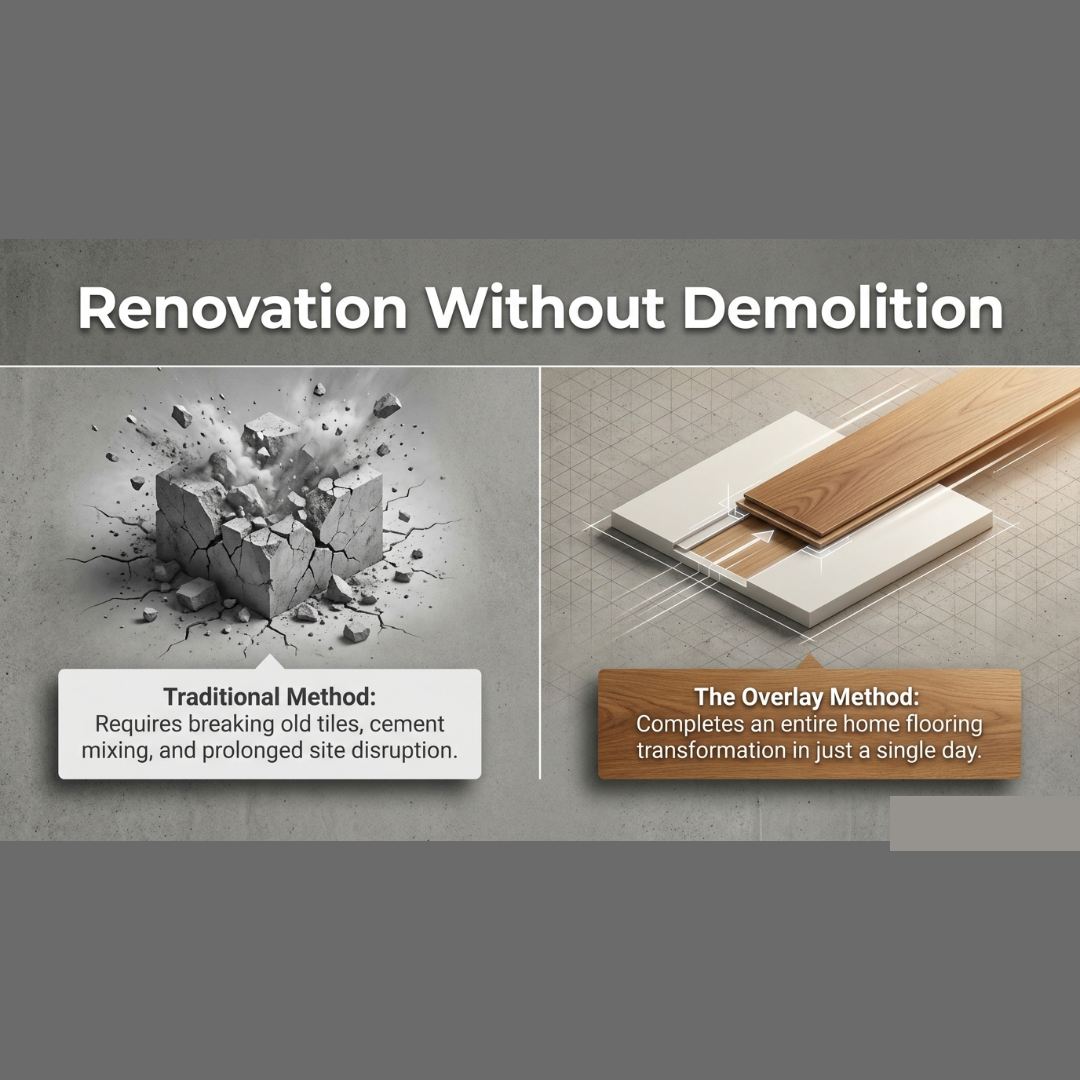
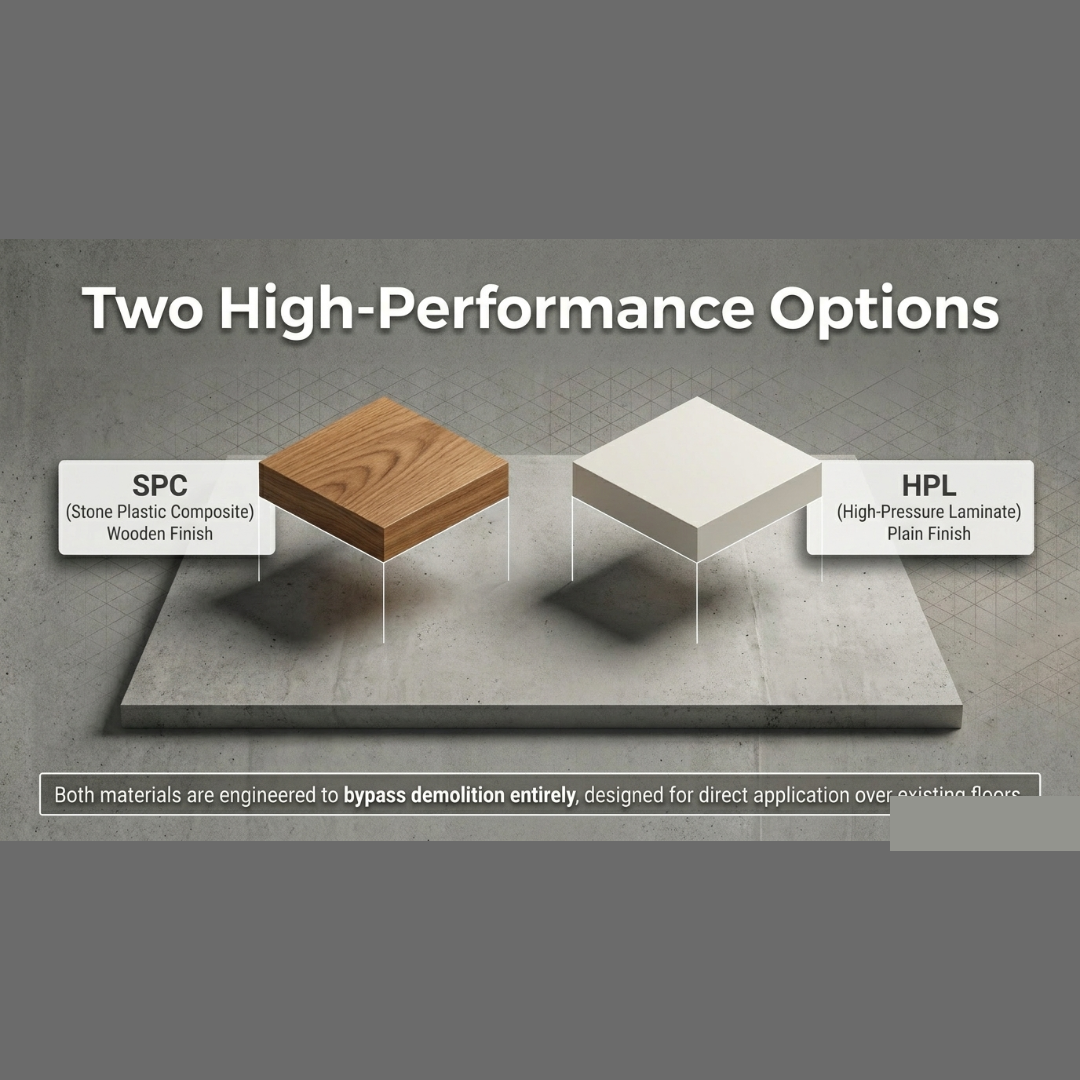
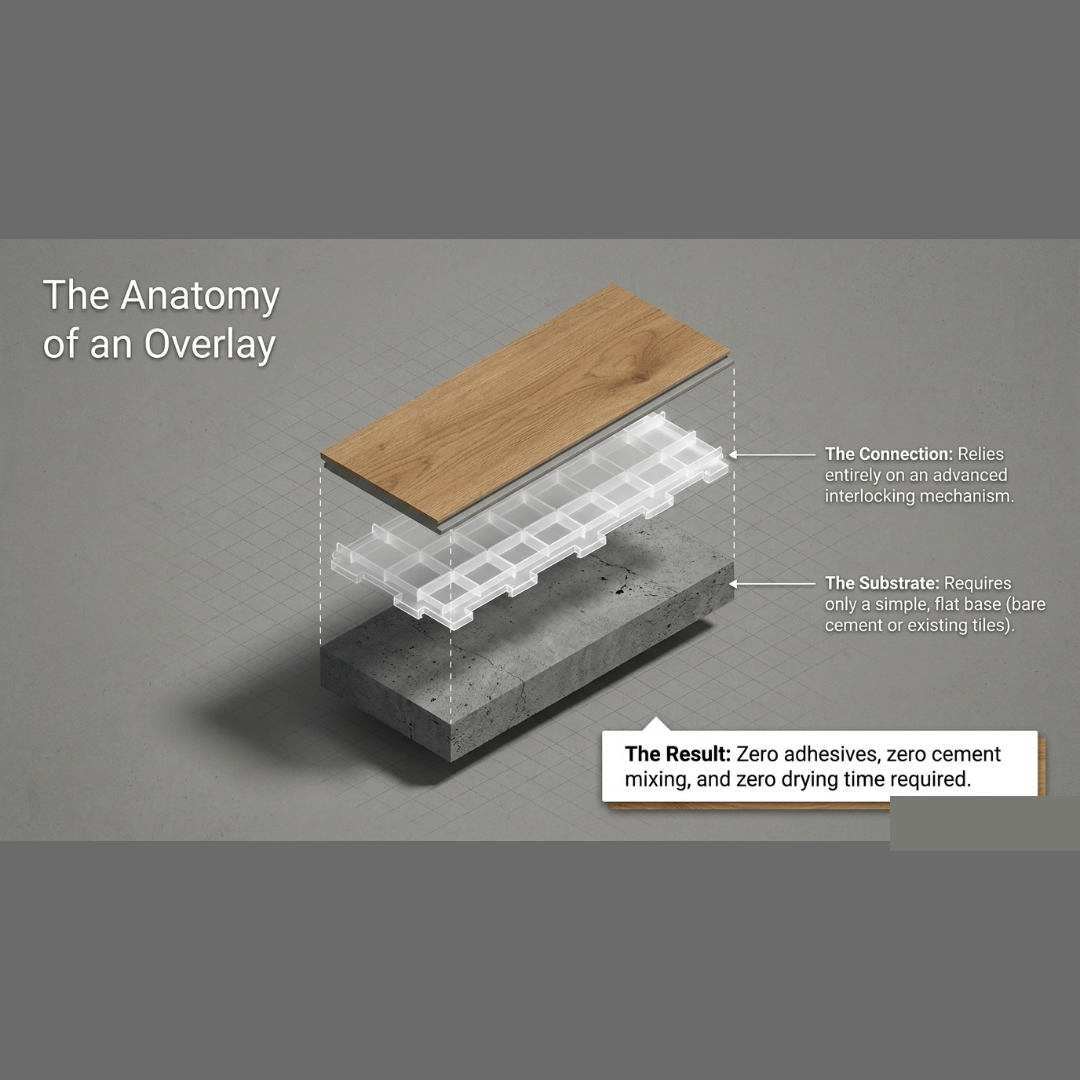


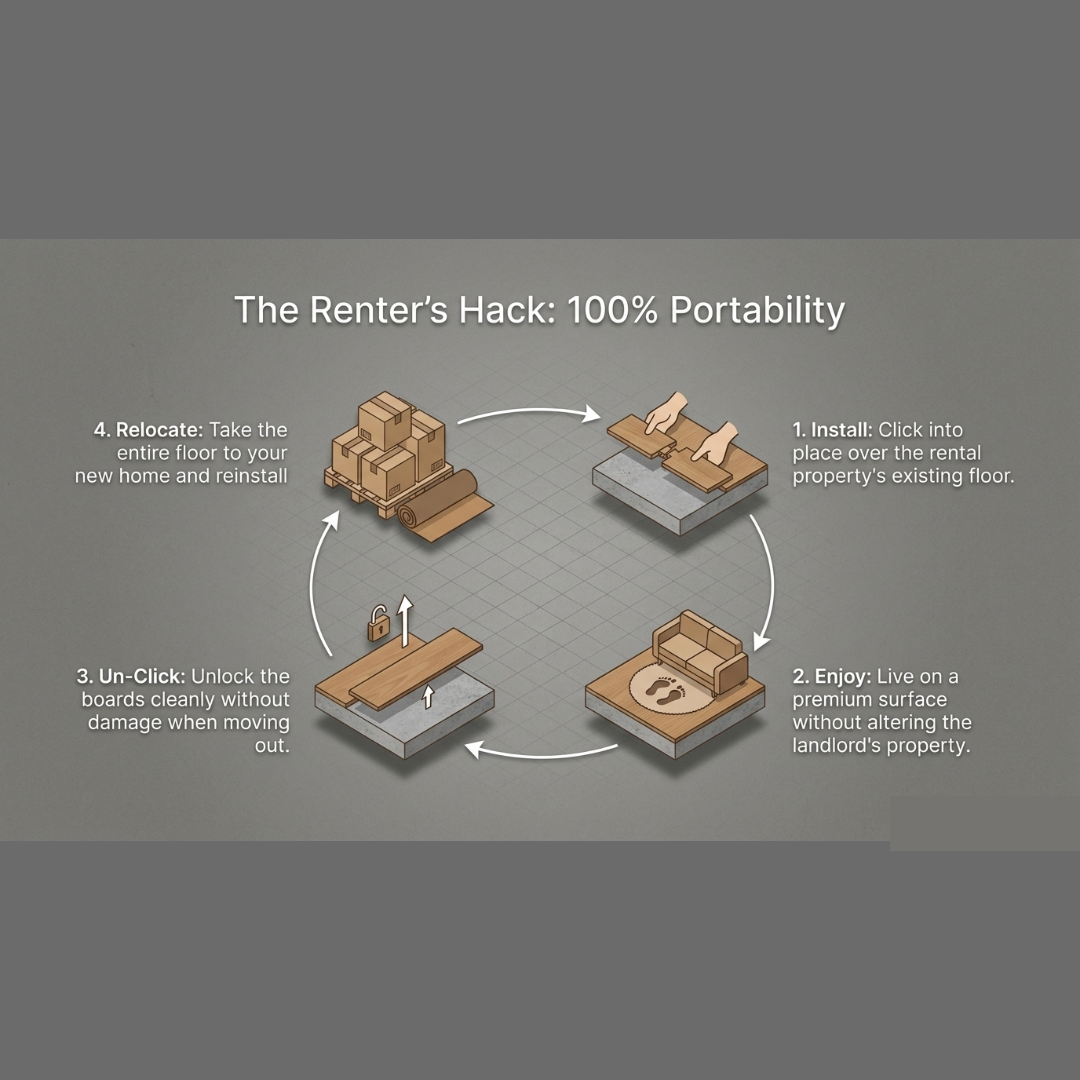
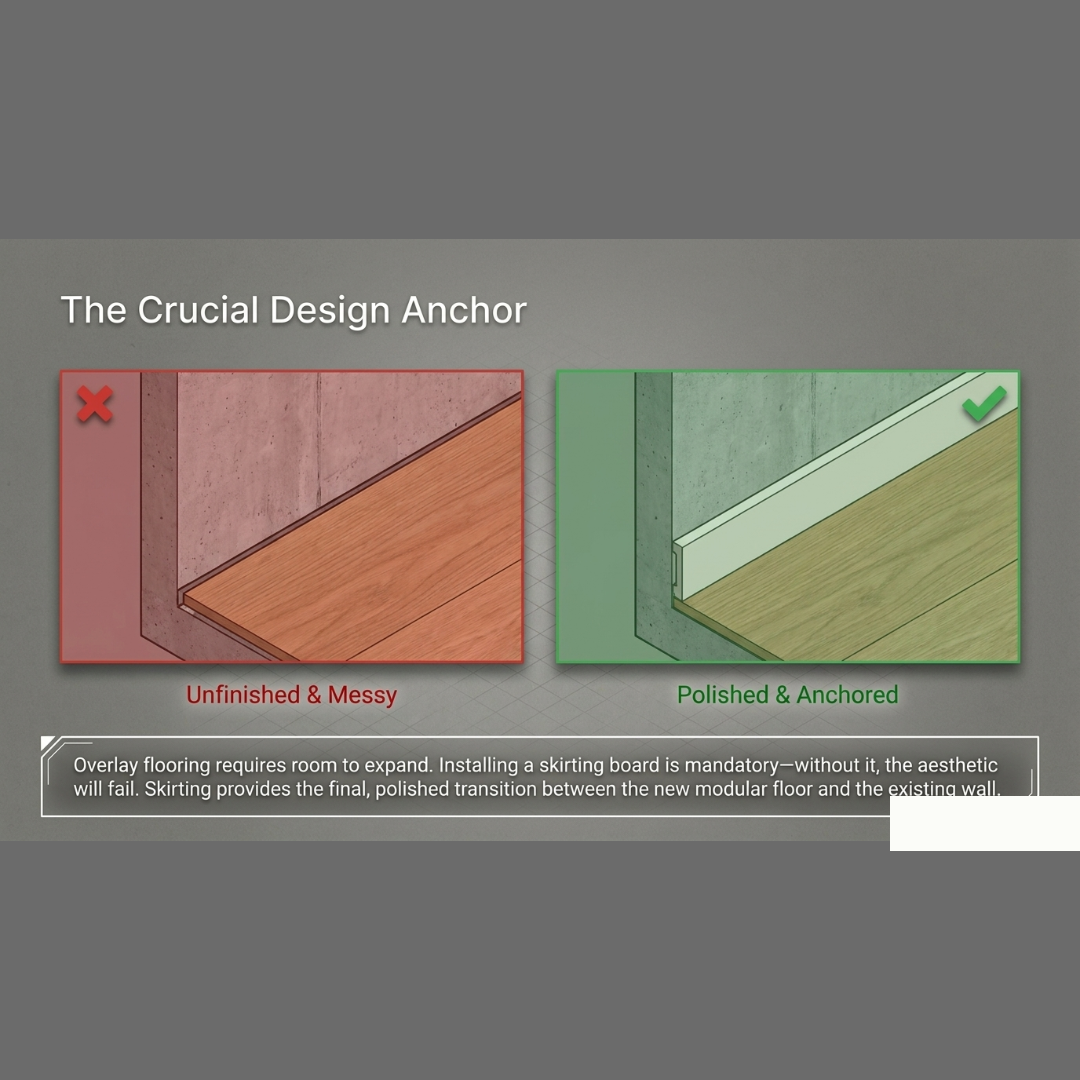
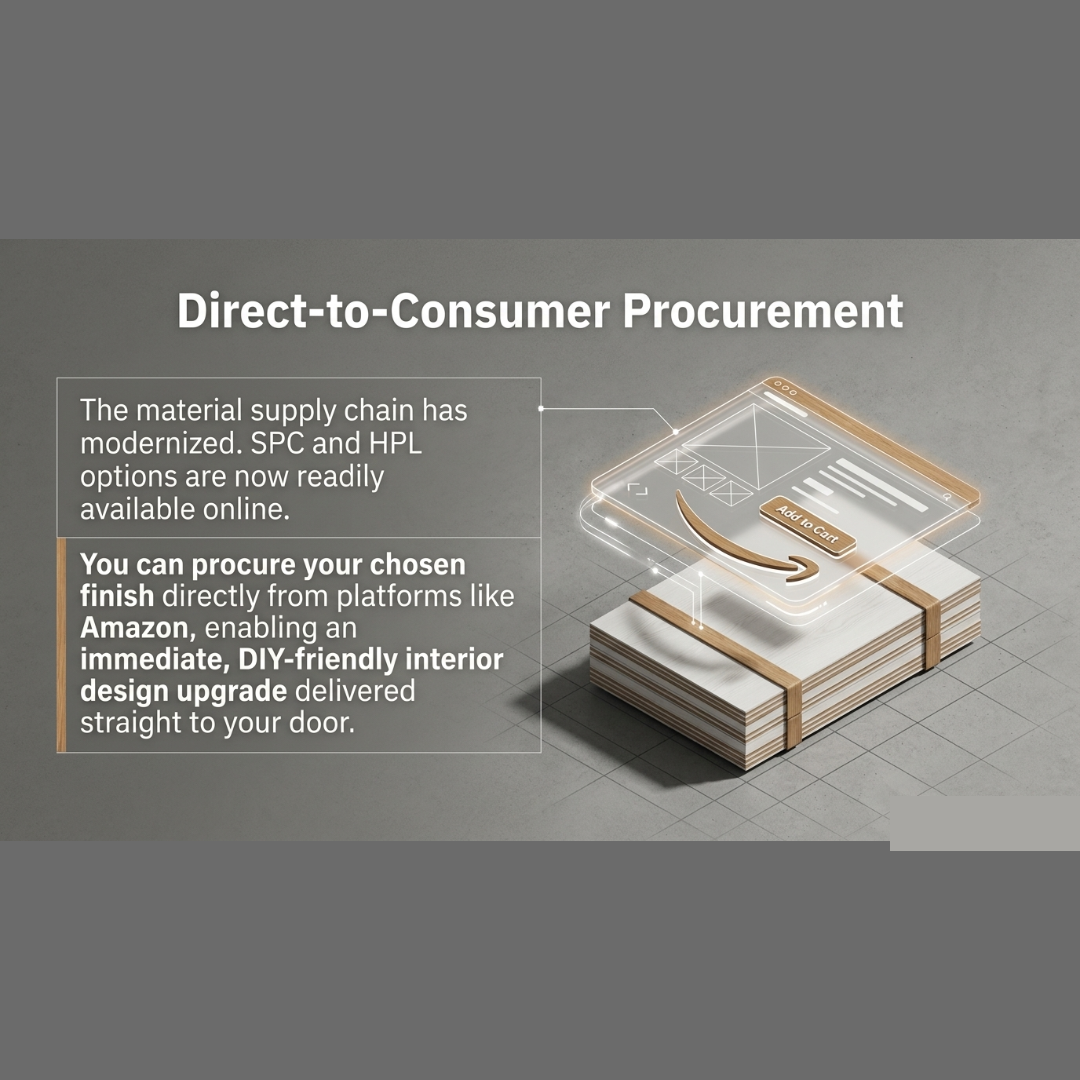
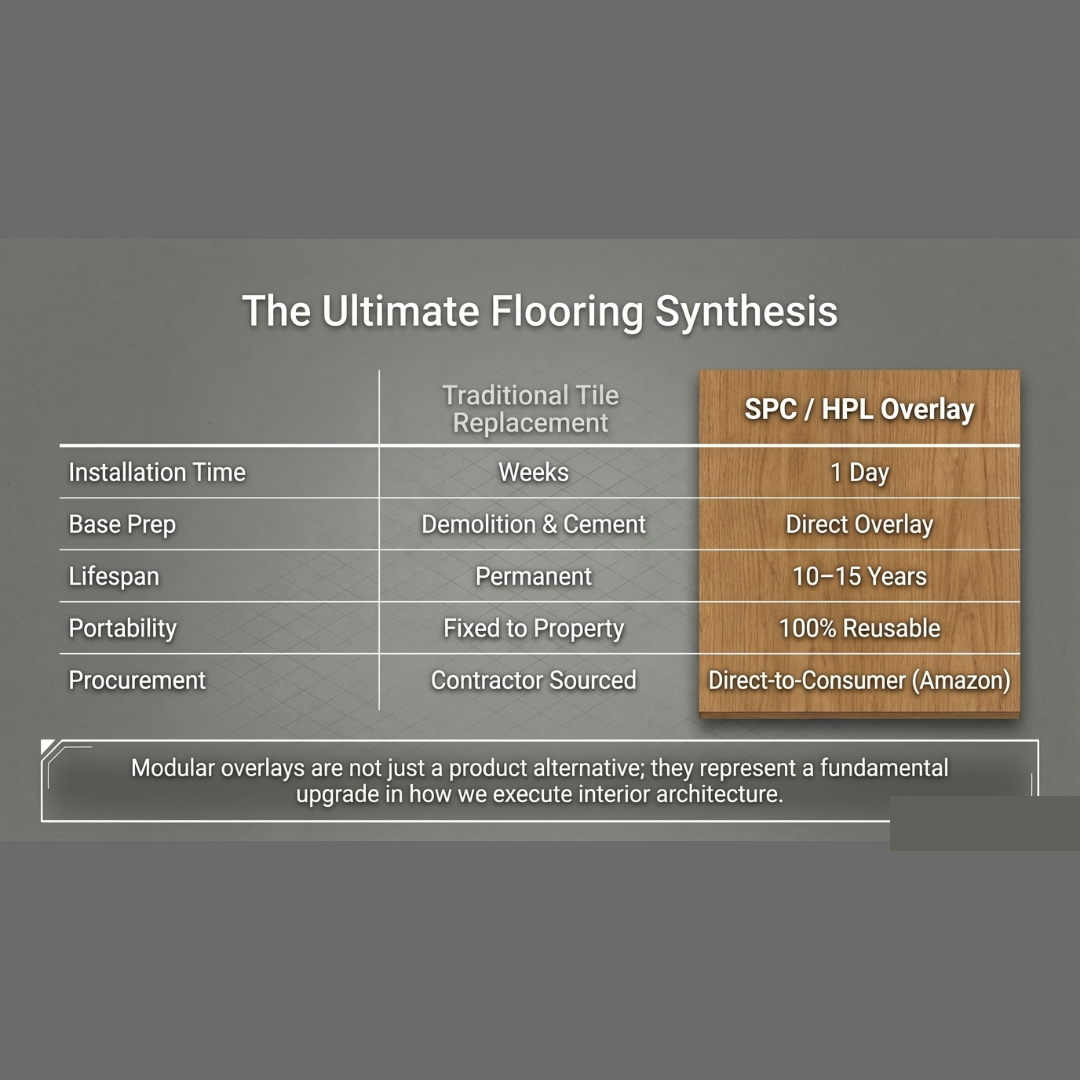
Table of Contents
Versatile Base Compatibility and Installation Mechanics
- Existing cement floors
- Older, dated tiles (No need to rip them out!)
- Any simple, level base
Why Traditional Tile Renovation Feels Stressful
- Tile removal creates dust
- Labour dependency is high
- Cement, curing, debris, and cleaning take time
- Families often cannot use the room for days
- Renovation becomes difficult in occupied homes
What Is SPC Flooring?
Suggested content:
SPC flooring, or Stone Plastic Composite flooring, is a modern rigid-core flooring material made using limestone powder, PVC, and stabilizers. It is popular because it is waterproof, stable, and suitable for quick installation over existing floors.
Add keyword: SPC flooring for Indian homes
What Is HPL Flooring?
Suggested content:
HPL flooring, or High-Pressure Laminate flooring, is made by compressing multiple layers under high pressure. It is known for its strength, impact resistance, and premium surface finish.
Feature Comparison and Durability Profile
Feature | Description/Benefit |
|---|---|
Lifespan | Exceptional longevity; expect these floors to last 10 to 15 years with ease. |
Resistance | Fully water-resistant and scratch-resistant, standing up to spills and pet claws. |
Safety | Softer and warmer than tile, providing a cushioned, safer environment for small children. |
Portability | A dream for renters! These can be uninstalled and relocated to your next home without damage. |
Design and Aesthetic Options
- Wooden Finishes: These offer the warmth and texture of real hardwood without the high maintenance or susceptibility to water damage.
- Plain Finishes: Perfect for those seeking a modern, seamless, or monochromatic aesthetic that acts as a clean canvas for your furniture.
The Secret to a Professional Finish: Skirting
Accessibility and Procurement
Can SPC and HPL Flooring Be Installed Over Existing Tiles?
Yes, SPC and HPL flooring can often be installed over existing tiles, cement floors, or any clean and level base. This makes them a practical option for Indian homeowners who want to avoid tile breaking, dust, and long renovation timelines.
Benefits of SPC and HPL Flooring for Indian Homes
- No tile breaking required
- Fast installation
- Less dust and mess
- Waterproof or water-resistant options
- Comfortable underfoot
- Wooden and plain finish options
- Good for rented homes
- Easy to remove or replace
- Budget-friendly compared to full tile renovation
- Suitable for bedrooms, living rooms, shops, offices, and rental flats
Is SPC Flooring Good for Rented Homes?
Yes, SPC flooring is one of the best options for rented homes because many interlocking systems can be removed and shifted later. This means tenants can upgrade the look of the home without permanently damaging the original floor.
Why Skirting Is Important in SPC/HPL Flooring
Skirting is not optional in SPC and HPL flooring. During installation, a small expansion gap is usually left near the wall edges. Skirting hides this gap and gives the room a clean, finished, designer look. Without skirting, even expensive flooring can look incomplete.
SPC Flooring Price in India
SPC flooring price in India usually depends on thickness, brand, locking system, finish, wear layer, and installation charges. Basic products may start from lower price ranges, while premium SPC flooring with better thickness and finish can cost more. Always compare product thickness, warranty, water resistance, and installation support before buying.
Where Can You Use SPC and HPL Flooring?
- Living room
- Bedroom
- Kids’ room
- Study room
- Rental apartment
- Office cabin
- Retail shop
- Home studio
- Dry kitchen areas, depending on product grade
Common Mistakes to Avoid
- Installing on uneven flooring
- Skipping skirting
- Ignoring door clearance
- Choosing very cheap low-quality planks
- Not checking water resistance details
- Not checking locking quality
- Using it in constantly wet areas without product approval
- Buying only by design and ignoring thickness/wear layer
Final Verdict: Should You Choose SPC or HPL Flooring?
If you want a fast, clean, and stylish floor makeover without breaking existing tiles, SPC and HPL flooring are excellent options for Indian homes. SPC is especially useful when you need waterproof, removable, and quick flooring. HPL is a strong option when you want a tough, premium finish for high-use areas.
FAQ
Q1. Is SPC flooring good for Indian homes?
Yes, SPC flooring is suitable for many Indian homes because it is waterproof, easy to clean, and can be installed quickly over existing level floors.
Q2. Can SPC flooring be installed over tiles?
Yes, SPC flooring can usually be installed over existing tiles if the tile surface is clean, dry, stable, and level.
Q3. Is SPC flooring better than tiles?
SPC flooring is better for quick renovation, comfort, and removable installation. Tiles are better for very long-term heavy-duty use and wet areas like bathrooms.
Q4. Is SPC flooring waterproof?
Most SPC flooring products are waterproof, but the final performance depends on product quality, locking system, installation, and edge protection.
Q5. What is the life of SPC flooring?
Good-quality SPC flooring can last around 10–15 years with proper installation and maintenance.
Q6. Is HPL flooring good for homes?
Yes, HPL flooring is a durable and stylish option for homes, especially in areas where impact resistance and premium finish are important.
Q7. Can SPC flooring be removed and reused?
Many interlocking SPC flooring systems can be removed and shifted, making them useful for rented homes.
Q8. Is skirting necessary for SPC flooring?
Yes, skirting is recommended because it hides expansion gaps and gives the floor a clean, finished look.
Shop by Category
Discover our expert-reviewed appliances organized by category. Each section features honest reviews and budget-friendly recommendations.